.jpg)
UM Advances Drug-Free Workplace Advocacy in Davao City
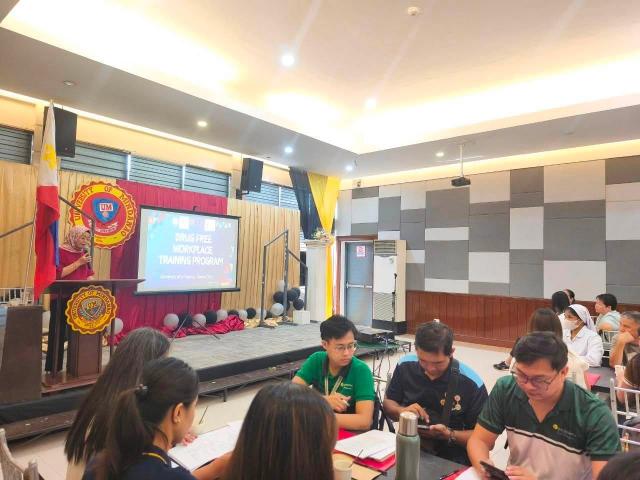
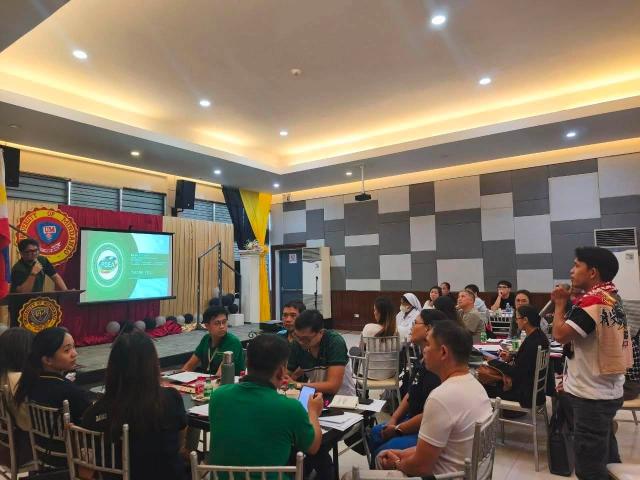
The University of Mindanao Main Campus stands at the forefront of Davao City’s advocacy for Drug-Free Workplace through its collaboration with the Davao City Anti-Drug Abuse Council (CADAC).
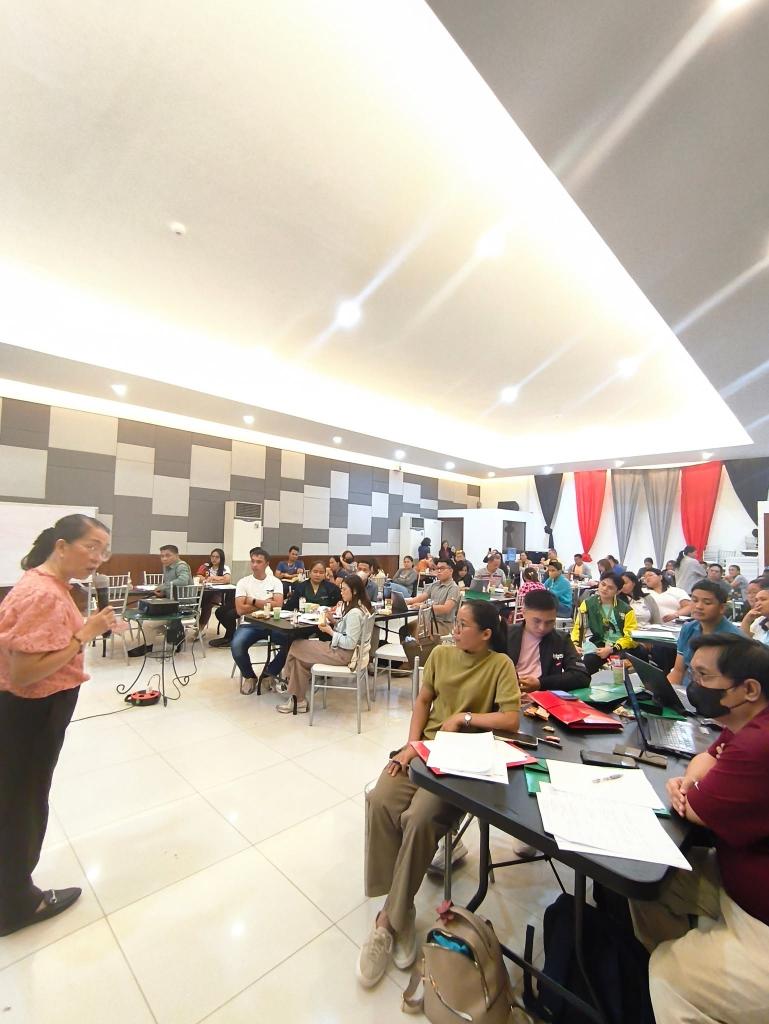
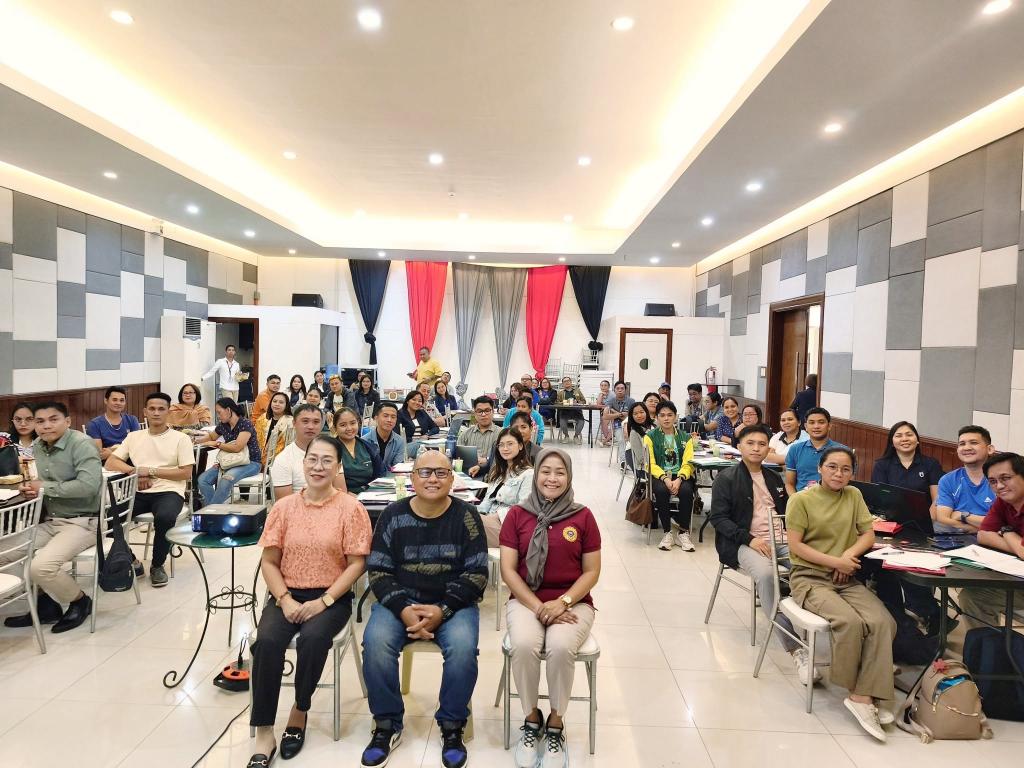
Through the citywide implementation of the Drug-Free Workplace (DFW) Program, UM empowers local businesses through interactive and high-impact training sessions. These sessions equip establishment representatives or assessment teams with the knowledge and skills to formulate their Drug-Free Workplace Policies and their Three-year Drug Abuse Prevention and Intervention Plans.
From September 17, 2025 to July 30, 2026, UM successfully trained 126 companies reaching 339 individuals through interactive workshops that encouraged participants to share ideas and present their outputs. This continuing engagement demonstrates the University’s commitment to helping workplaces foster healthier, safer, and drug-free environments while promoting the well-being of individuals and communities. The University has been a training provider for the Drug-Free Workplace (DFW) Program since April 2019 and has trained more than 2,200 individuals from various business establishments in Davao City.
Each two-day workshop brings together experts and practitioners in drug abuse prevention from UM and partner agencies such as the Philippine Drug Enforcement Agency (PDEA), Department of Labor and Employment (DOLE), and City Anti-Drug Abuse Council (CADAC), to provide participants with practical guidance in implementing the Drug-Free Workplace Program in their respective companies. This collaboration underscores UM’s unwavering commitment to the Sustainable Development Goals, particularly SDG 3 on Good Health and Well-Being, SDG 16 on Peace, Justice and Strong Institutions and SDG 17 on Partnerships for the Goals.
On December 17, 2025, UM received a Plaque of Recognition for its outstanding
commitment and support to the Drug-Free Workplace Program from Davao City
Government. UM also presented its best practice, highlighting the Pag-amUMa
Community-Based Rehabilitation and After-Care Program and its continuing role
as a DFW training provider.
Share this article
.png)
.png)