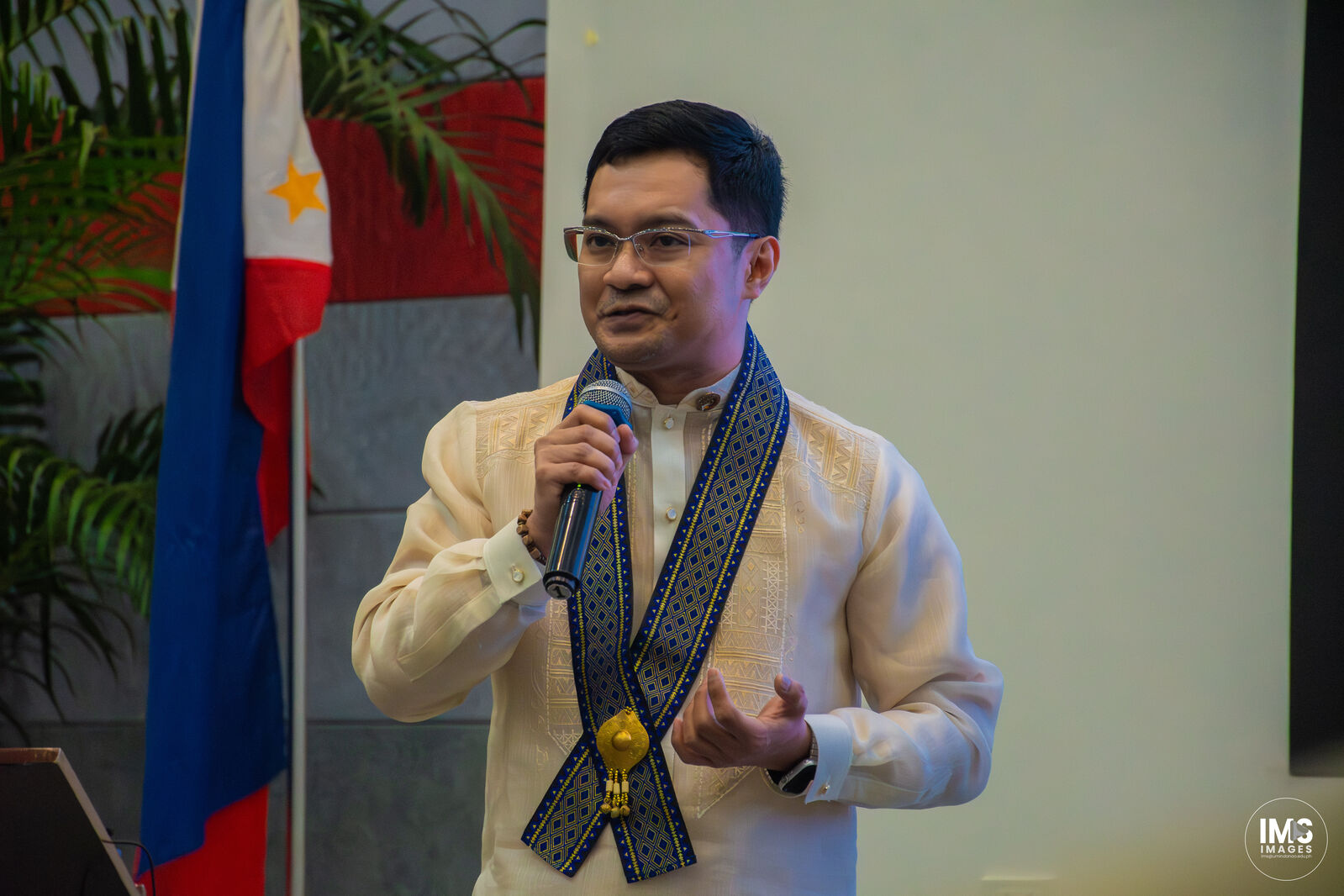
Dr. Angelo Bañares Completes BSP Engagement with an Exit Report Presentation, Highlights the Power of Genes, Grit, Grants, and Good People in Building Synbio in the South
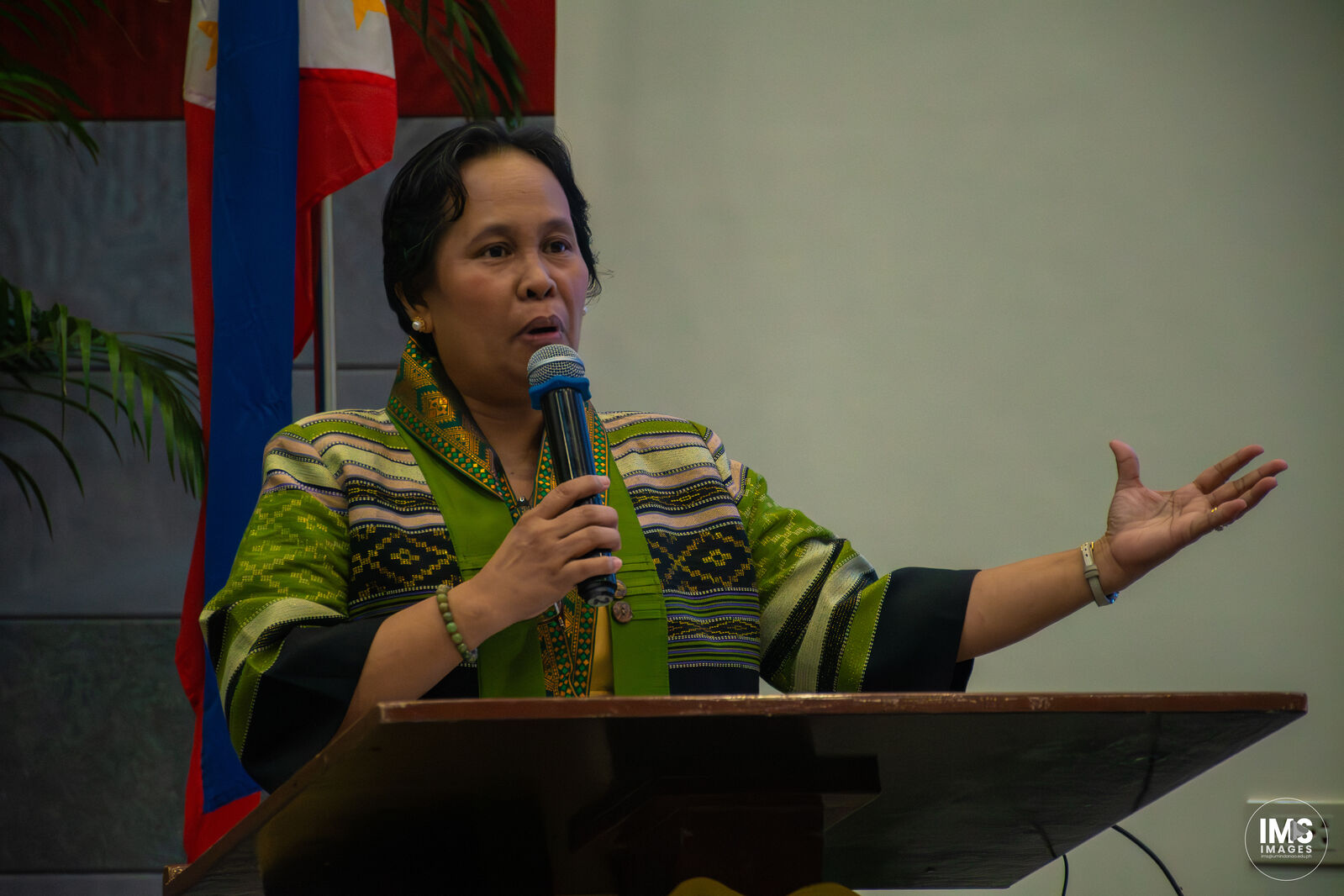
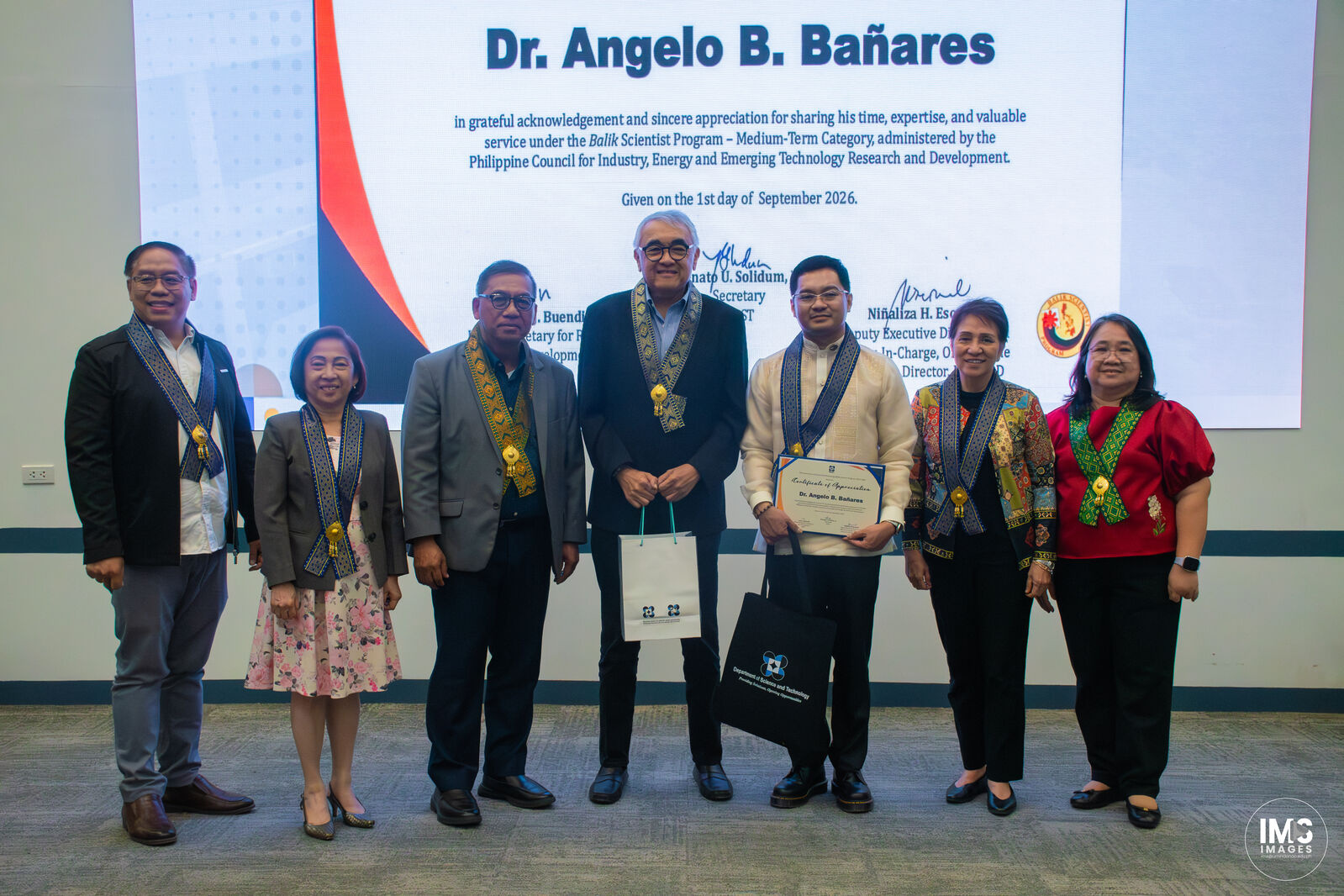
The journey toward strengthening synthetic biology in the South took center stage as Dr. Angelo Bañares, Medium-Term Balik Scientist hosted by the University of Mindanao (UM), presented his exit report highlighting the gains, lessons, and continuing opportunities from his engagement with the University through the Balik Scientist Program (BSP) of the Department of Science and Technology (DOST).
Carrying the theme “Building Synbio in the South and Beyond: The GGGG Code – Genes, Grit, Grants, and Good People,” Dr. Bañares’ exit report presentation underscored that building a strong scientific ecosystem requires more than technical expertise and laboratory capabilities. It also demands persistence, sustained research support, and, most importantly, people who are willing to collaborate and build together.
As a Balik Scientist, Dr. Bañares brought his expertise and international scientific experience to UM, contributing to the University’s efforts to expand its capabilities in synthetic biology and biotechnology. His engagement provided opportunities for knowledge exchange, research collaboration, capacity building, and the development of connections that extend beyond the duration of the BSP engagement.
The “GGGG Code” served as a fitting reflection of the experience. Genes represent the scientific foundation of synthetic biology and the potential of biological systems to address complex challenges. Grit reflects the perseverance required to conduct meaningful research and establish scientific capabilities. Grants provide the resources necessary to transform research ideas into sustained programs and projects. Good People, meanwhile, represent the researchers, mentors, collaborators, institutions, and communities whose collective efforts make scientific advancement possible.
For UM, the BSP engagement with Dr. Bañares goes beyond the completion of a program. It contributes to the University’s continuing efforts to cultivate a research environment where expertise is shared, collaborations are developed, and emerging fields of science can take root in the region.
The presentation also highlighted the importance of creating pathways for Filipino scientists with international experience to reconnect with the Philippine research ecosystem. Through programs such as the BSP, expertise gained abroad can be brought closer to local researchers and institutions, creating opportunities for scientific collaboration and capacity development where these can generate lasting institutional value.
Dr. Bañares’ engagement likewise demonstrates the potential of bringing together scientific expertise, institutional commitment, research funding, and collaborative networks in advancing fields that are still developing within the regional research landscape.
His presentation served not only as a report of accomplishments but also as a forward-looking reflection on what can be built after the formal conclusion of the engagement. The relationships established, knowledge shared, research directions explored, and capacities strengthened during the program provide a foundation for continued collaboration between researchers and institutions.
For the University of Mindanao, the Balik Scientist engagement reinforces its commitment to making research and innovation increasingly relevant, collaborative, and responsive to emerging scientific opportunities in Mindanao.
As Dr. Bañares’ BSP engagement formally comes to a close, the message of the GGGG Code remains particularly relevant: genes provide the science, grit sustains the pursuit, grants enable the work, but good people make the scientific ecosystem possible.
The exit report, therefore, was not simply a conclusion to a Balik Scientist engagement. It marked another step in the continuing effort to build scientific capacity in the South—and to ensure that the knowledge, partnerships, and opportunities created today continue to grow beyond the program itself.
Share this article
.png)
.png)