Prepared to Respond: UM NSTP Facilitators Gain Essential Emergency Response Competencies
The University of Mindanao
National Service Training Program (NSTP), in coordination with the Davao
Central 911 under the Davao City Disaster Risk Reduction and Management Office,
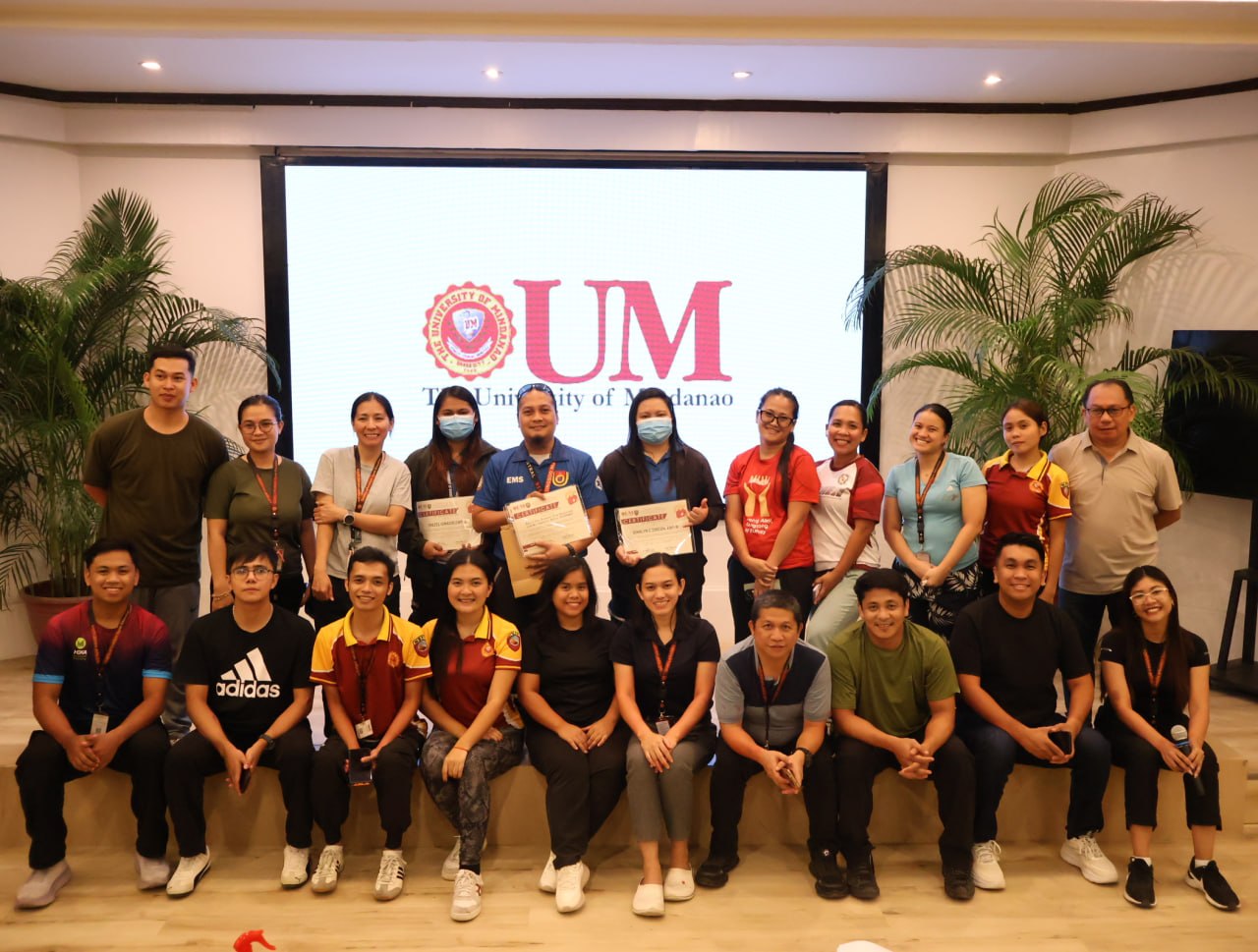
successfully conducted a two-day training on Standard First Aid and Basic Life
Support (BLS) with Automated External Defibrillator (AED) Orientation on June
1–2, 2026, at AVR 2, GET Building, Matina Campus.
The training aimed to equip NSTP
facilitators with essential knowledge and practical skills in responding to
medical and trauma-related emergencies, particularly during community service
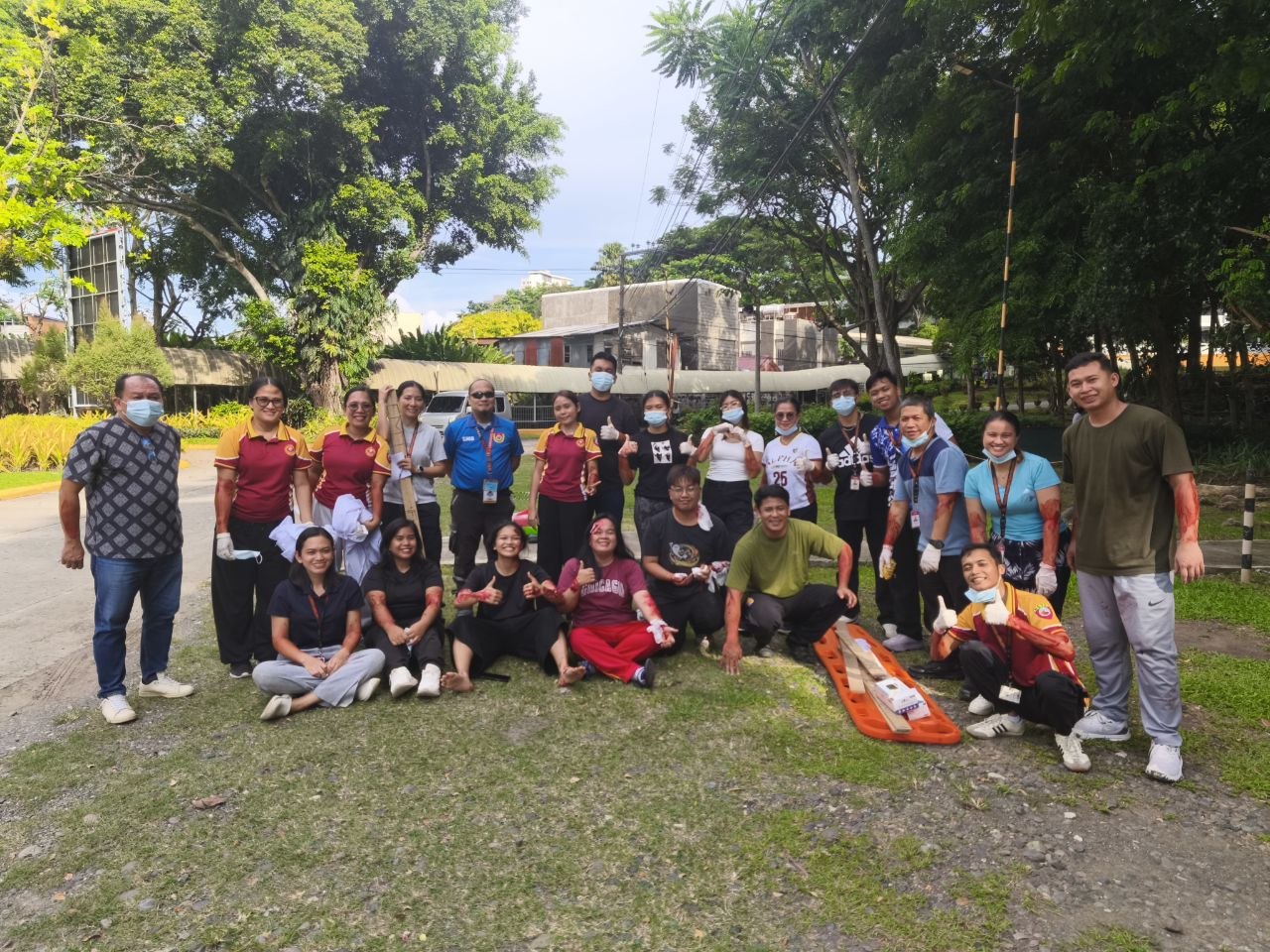
activities and outreach programs. A total of nineteen (19) NSTP facilitators
from various colleges and offices participated in the activity, including personnel
from the College of Teacher Education–Bachelor of Physical Education, College
of Hospitality Education, Community Extension Center, Human Resource and
Development Office, Sports Development Office, Laboratory Management Office,
and Information and Communication Technology Center.
Key topics discussed during the
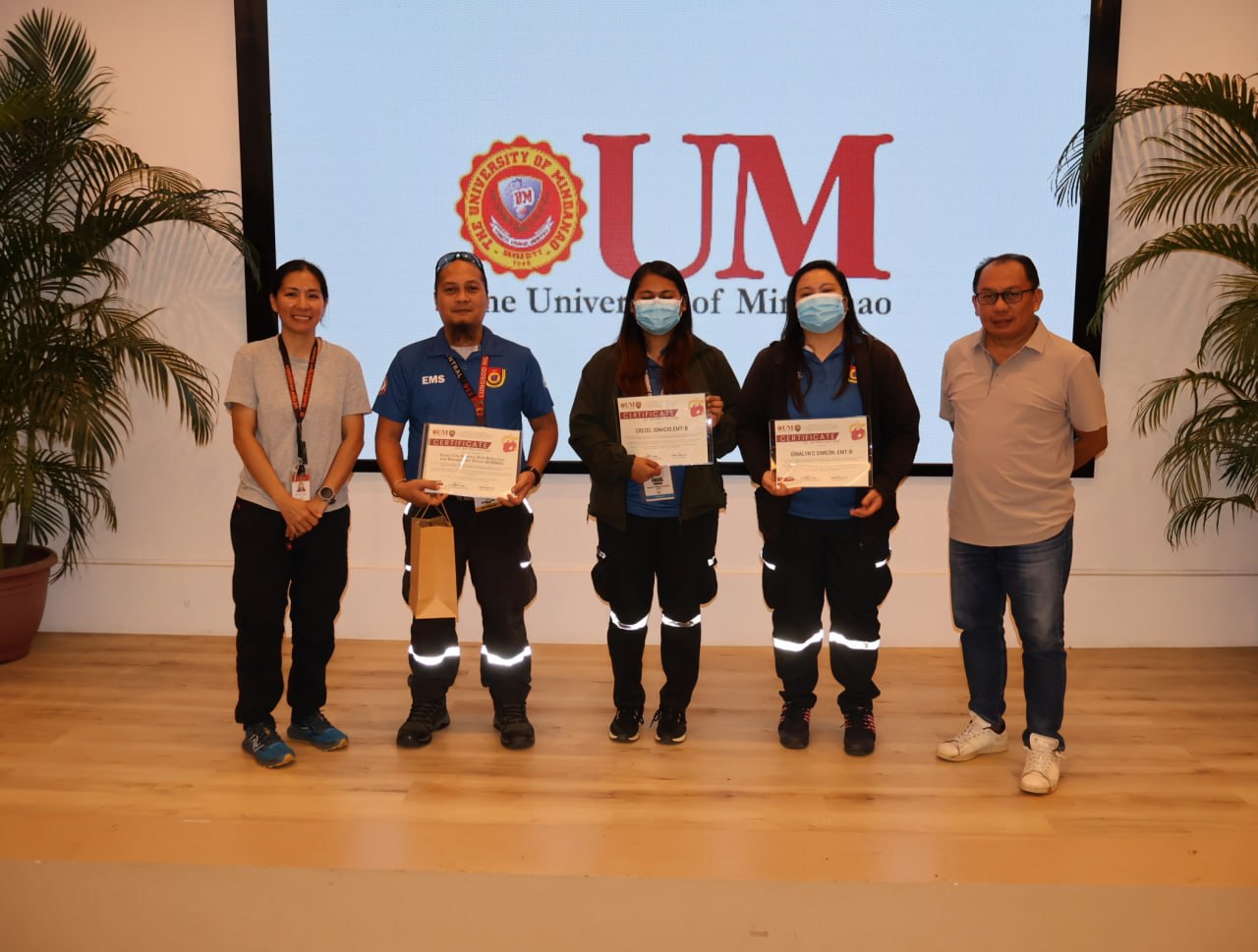
training included First Aid and the Law, facilitated by EMT-B Crezel Ignacio;
the Role of the First Aid Responder; Basic Life Support for Medical and Trauma
Emergencies; Snakebite and Marine Envenomation Management; and the Incident
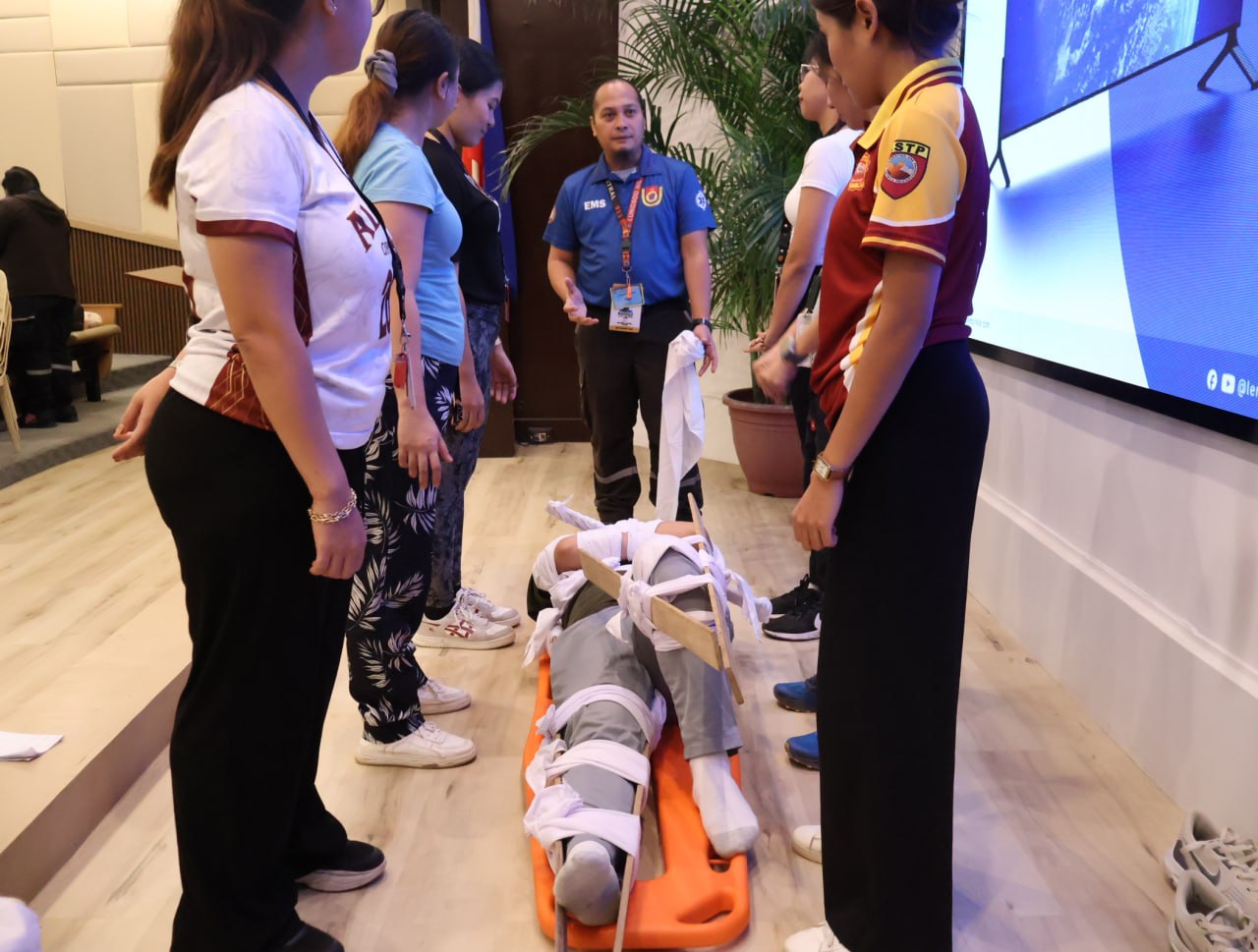
Command System, facilitated by EMT-B Cezar Bermudez. To reinforce theoretical
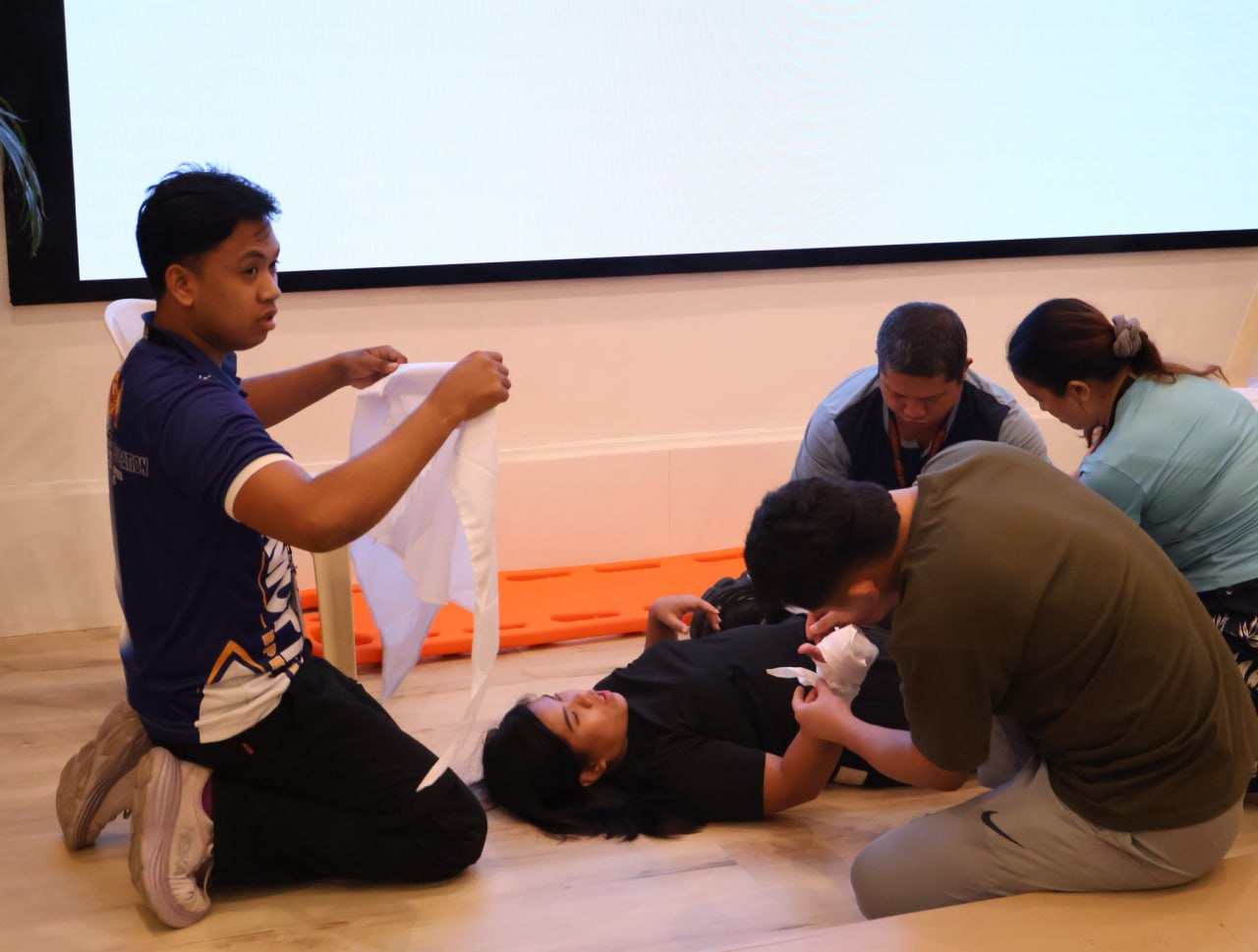
knowledge, each session incorporated hands-on demonstrations and practical
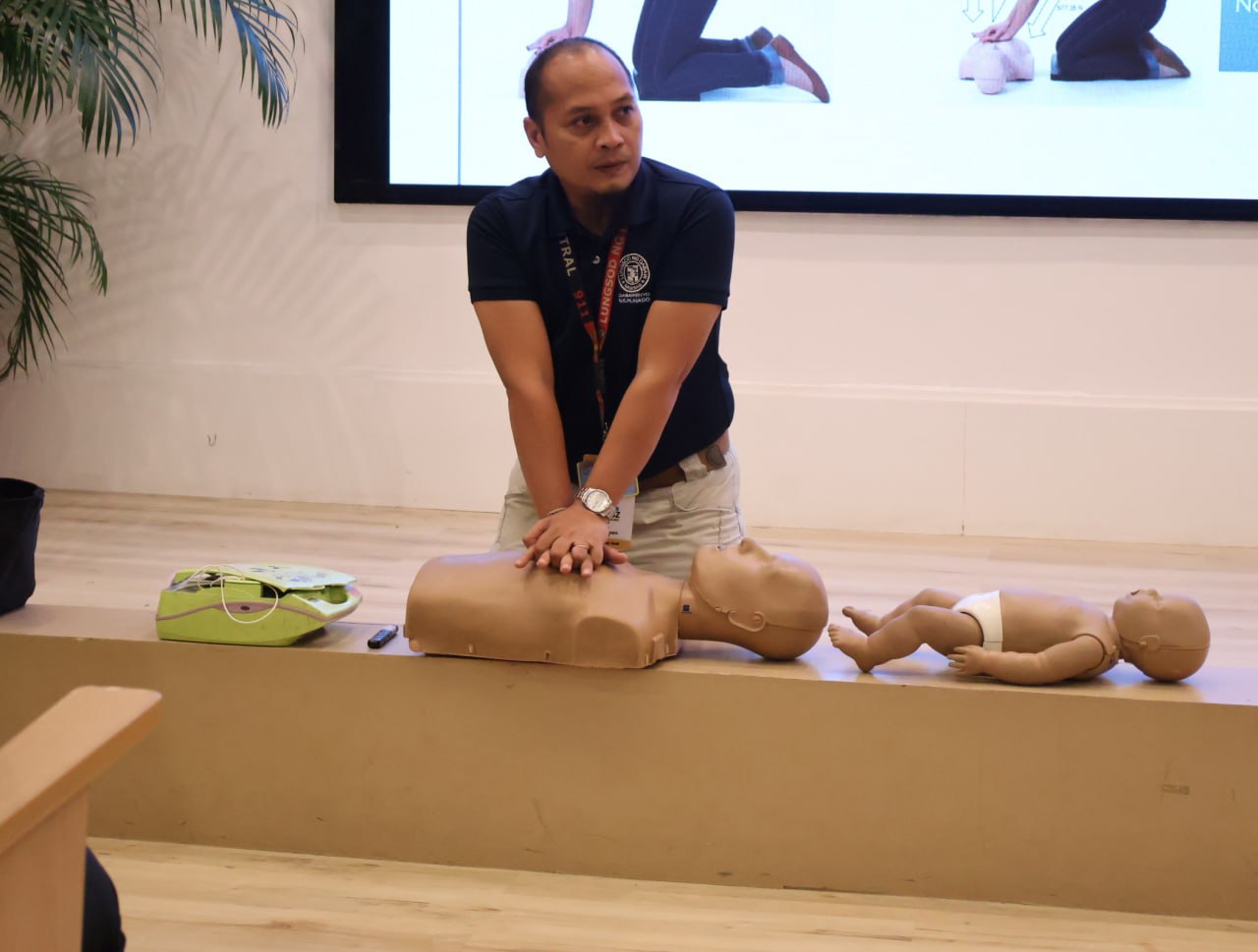
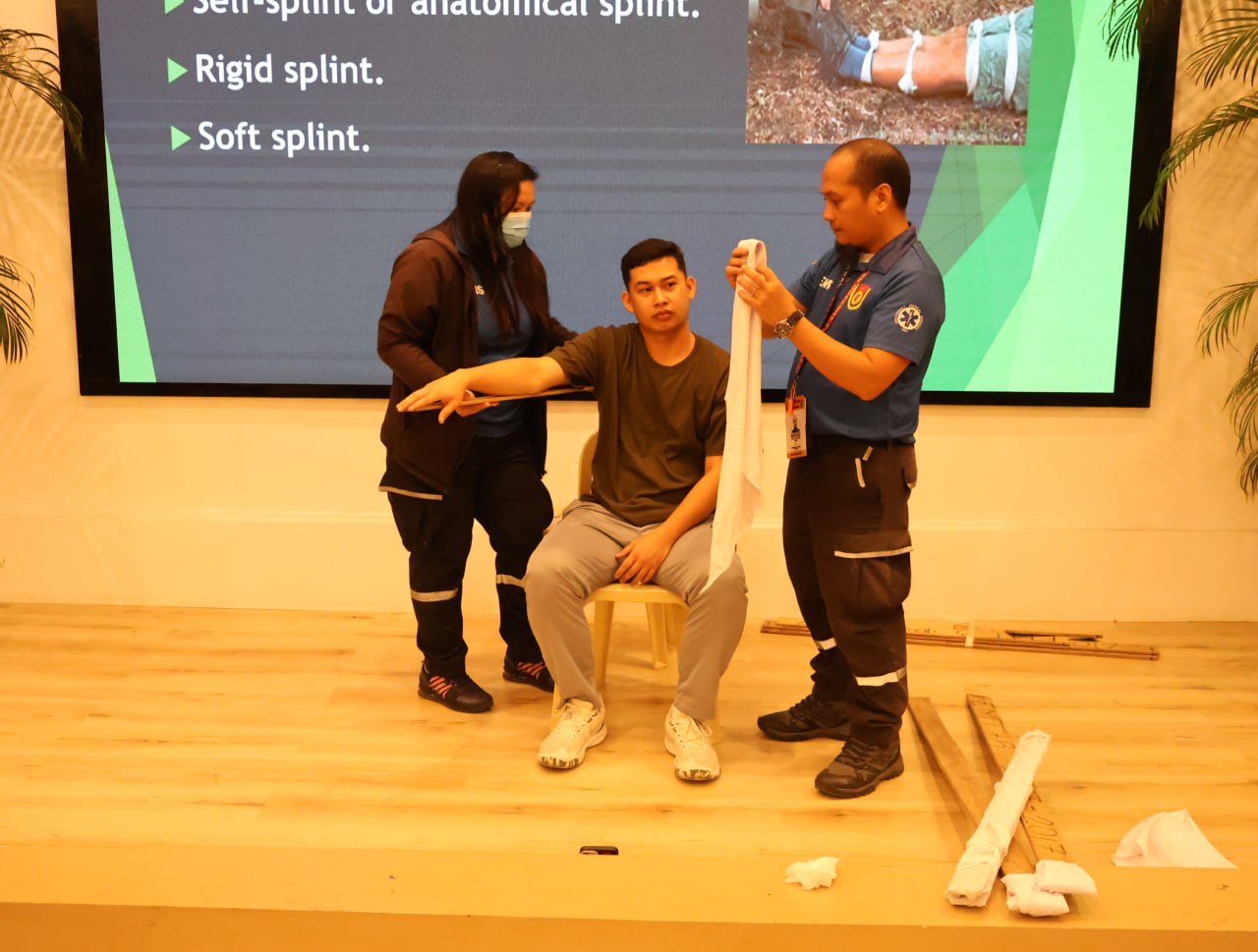
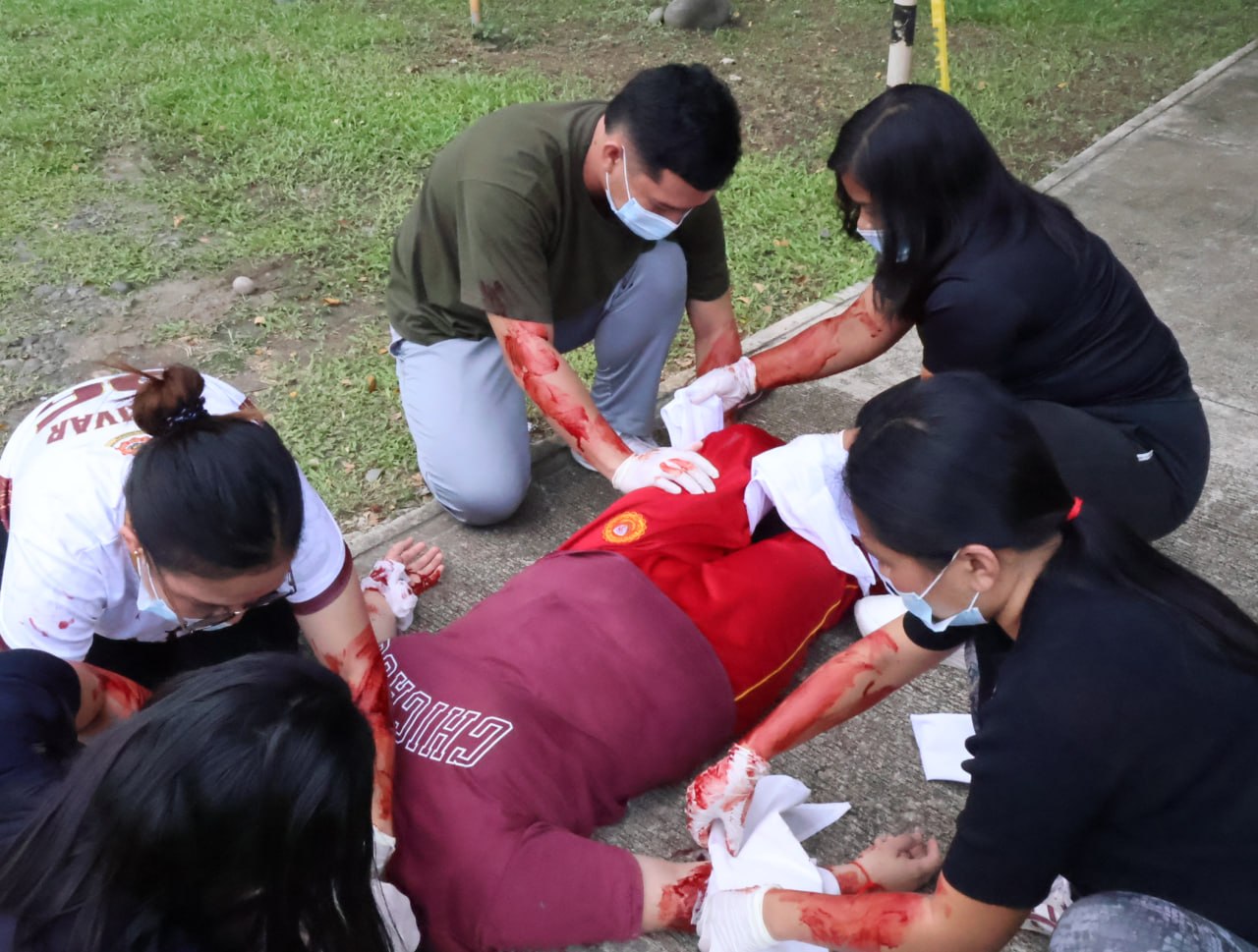
exercises. Participants were trained in Cardiopulmonary Resuscitation (CPR) and
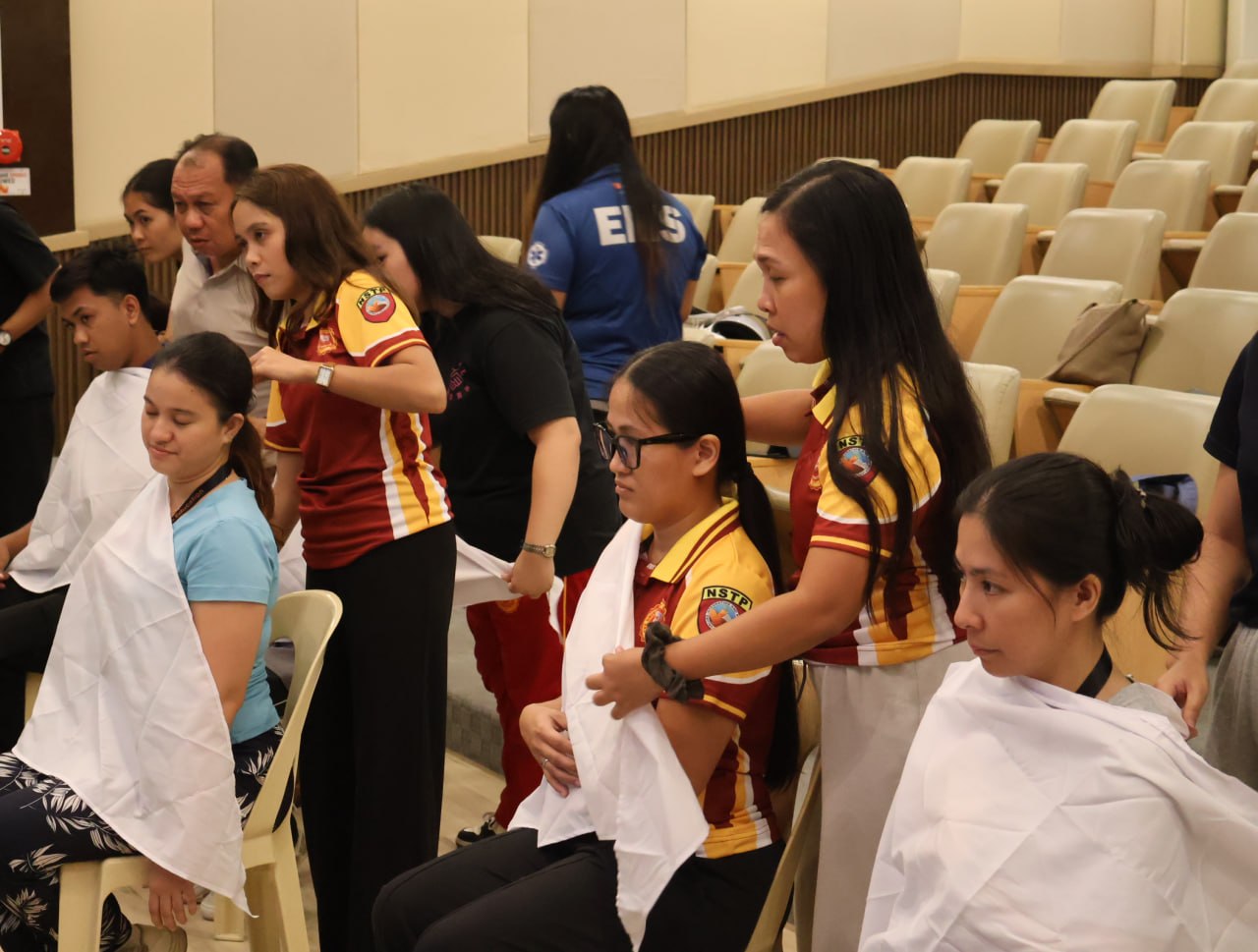
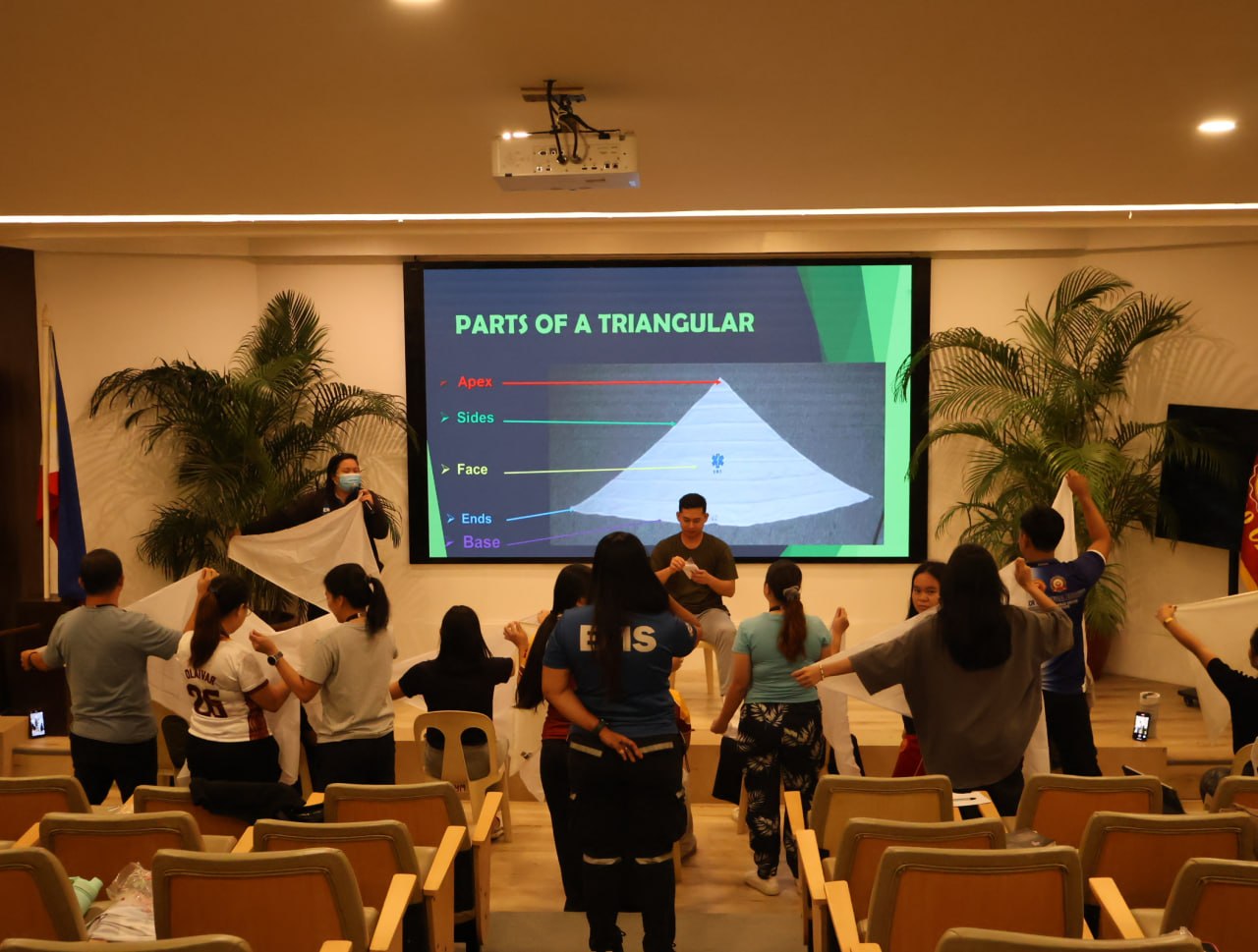
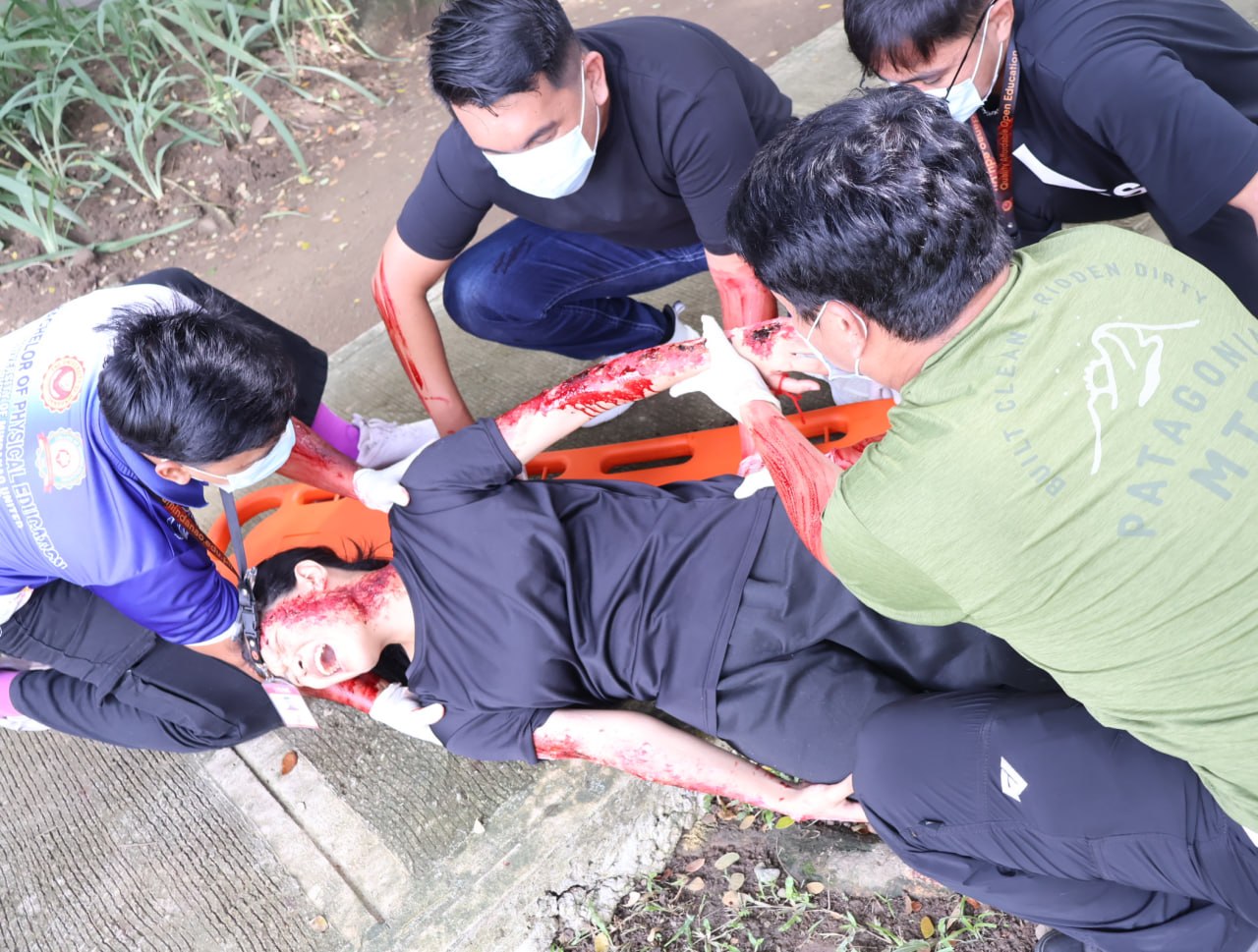
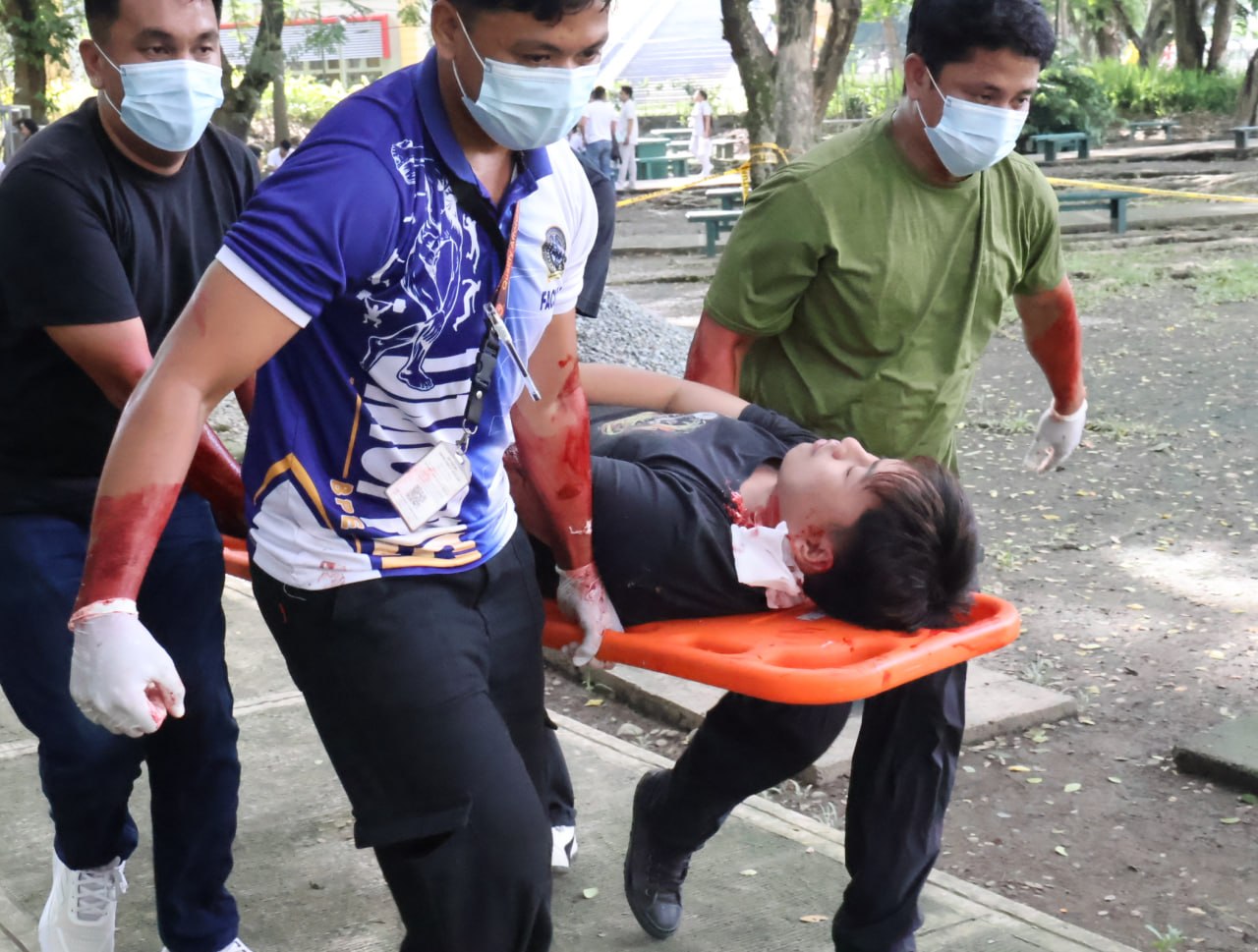
splinting techniques under the guidance of EMT-B Cezar Bermudez, while EMT-B Ginalyn Simeon demonstrated bandaging procedures. The training
culminated in a Mass Casualty Incident Simulation, providing participants with
an opportunity to apply their skills in a realistic emergency response scenario
and further strengthen their competencies in disaster preparedness and
emergency management.
This activity supports
Sustainable Development Goal (SDG) 3: Good Health and Well-Being by
strengthening the emergency response capabilities of UM NSTP facilitators and
promoting a culture of health, safety, and preparedness within the university
and the communities they serve. As a capacity-building initiative, the training
equips NSTP facilitators with essential life-saving skills and practical
knowledge, enabling them to respond effectively to emergencies and provide
timely assistance during community engagement, outreach programs, and other
service-oriented activities.
Share this article
.png)
.png)