.jpg)
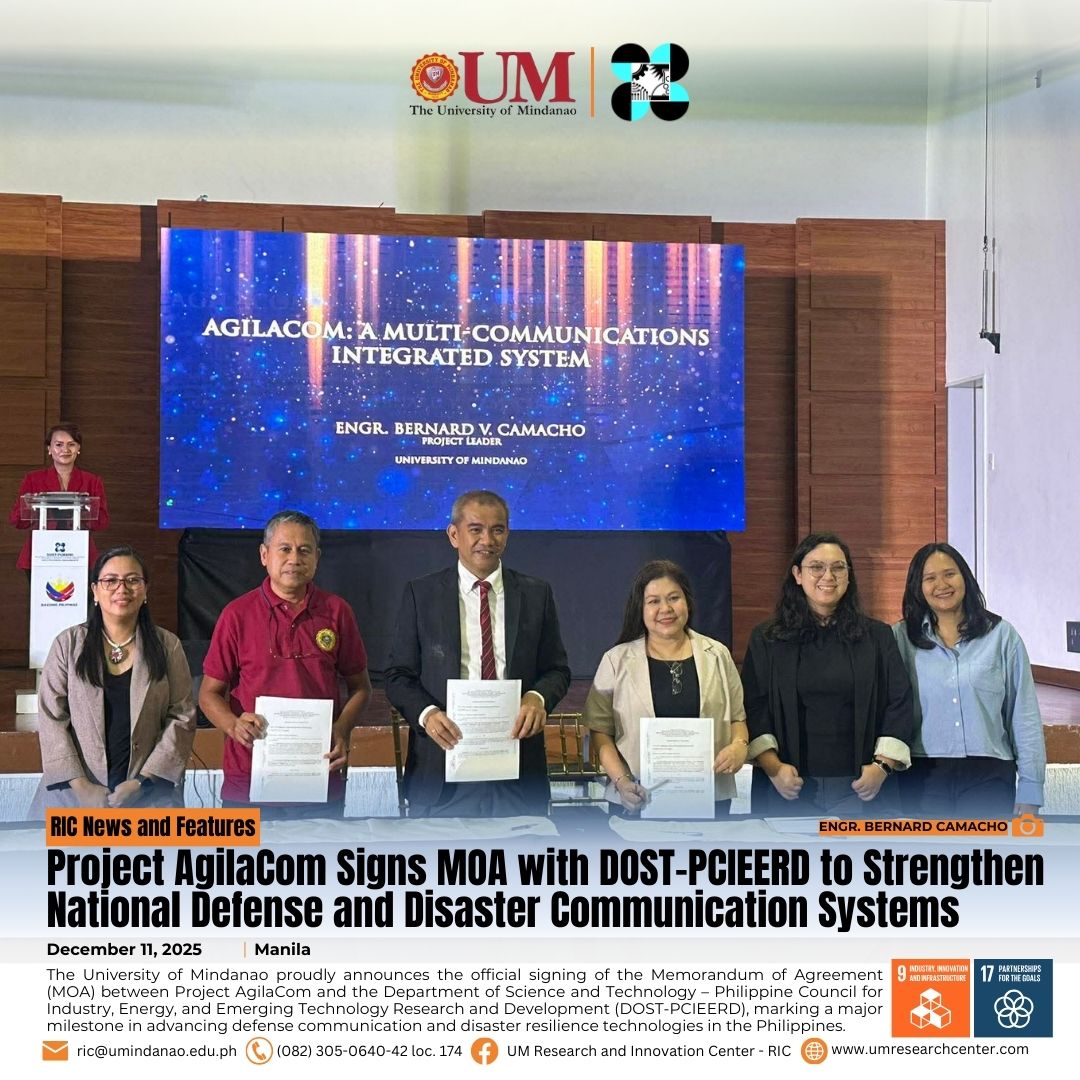
Project GlycEcol and DOST-PCIEERD Formalize Cooperation Through MOA Signing
A new chapter in sustainable innovation begins as Project GlycEcol and the Department of Science and Technology – Philippine Council for Industry, Energy, and Emerging Technology Research and Development (DOST-PCIEERD) officially formalize their cooperation through a Memorandum of Agreement (MOA) signing. This partnership marks a significant milestone for Philippine biotechnology as Project GlycEcol—led by Mr. Mark Angelou Siega with its Project Balik Scientist Dr. Angelo Bañares and with Ms. Shaina Lou Palar, a CIP Research Fellow—advances a pioneering approach to plastic upcycling. The project aims to engineer non-pathogenic E. coli bacteria capable of breaking down PET plastic (commonly found in beverage bottles) and directly converting it into glycolic acid, a high-value ingredient widely used in cosmetics and skincare products.
What sets this project apart is its trailblazing vision? It is set to be the first in the world to demonstrate the direct microbial conversion of PET into glycolic acid, establishing a novel biotechnology route for turning plastic waste into valuable chemicals. With the newly signed MOA, DOST-PCIEERD brings essential support and guidance, strengthening the project’s potential to scale into an impactful national innovation. This cooperation reflects a shared commitment to environmental sustainability, scientific progress, and practical solutions to the country’s growing plastic waste challenge.
As Project GlycEcol moves forward, the team hopes to set a new standard for plastic upcycling and help build a circular economy where waste becomes a resource and biotechnology leads the way toward a cleaner future.
Share this article